Clean Energy Investments 2026: Top 5 Growth Sectors
Anúncios
As we move through the first quarter of 2026, the global shift toward a decarbonized economy has moved from a moral imperative to a financial powerhouse.
Investment Opportunities in Clean Energy for 2026 are currently defined by a “perfect storm” of maturing technology and unprecedented federal backing.
Anúncios
Capital is no longer just chasing “green” labels; it is hunting for high-yield, resilient assets that can thrive in a high-interest-rate environment.
Let’s dive into the five specific sectors that are currently positioned for a massive 25% growth surge this year.
The Driving Forces Behind Clean Energy Growth in 2026
The momentum behind clean energy is multifaceted, propelled by evolving policy frameworks, technological breakthroughs, and increasing global demand.
Governments worldwide are committing to ambitious decarbonization targets, creating a stable and supportive environment for renewable energy projects.
Anúncios
Technological advancements, particularly in efficiency and cost reduction, are making clean energy sources increasingly competitive with traditional fossil fuels.
This economic viability is a crucial factor attracting both institutional and individual investors.
Furthermore, heightened public awareness and corporate sustainability initiatives are fueling consumer demand for clean energy solutions, solidifying the market for these innovative technologies.
These combined forces underscore the robust Investment Opportunities in Clean Energy for 2026.
Policy and Regulatory Tailwinds
The Inflation Reduction Act (IRA) in the United States, for instance, provides extensive tax credits and incentives for renewable energy deployment and manufacturing.
This legislation is a powerful catalyst, stimulating domestic production and accelerating project development across various clean energy domains.
Similar supportive policies are emerging internationally, creating a favorable global investment climate.
These regulatory tailwinds reduce investment risk and enhance the long-term profitability of clean energy ventures, making them attractive Investment Opportunities in Clean Energy for 2026.
Such consistent legislative backing ensures a predictable market, encouraging further innovation and capital allocation into the sector, which is essential for sustained growth and investor confidence.
Technological Innovation and Cost Reduction
Breakthroughs in solar panel efficiency, wind turbine design, and battery storage capacity are continuously driving down the levelized cost of energy (LCOE) for renewables.
This makes clean energy not just environmentally preferable, but also economically superior.
The decreasing costs of production and deployment are expanding the addressable market for clean energy solutions, enabling broader adoption in diverse geographic and economic contexts. This trend is central to the projected growth surge.
Continued research and development are expected to unlock even greater efficiencies and lower costs, further solidifying the position of clean energy as a dominant force in the global energy mix and enhancing Investment Opportunities in Clean Energy for 2026.
Top 5 Sectors Poised for a 25% Growth Surge
Identifying the specific areas within clean energy that are primed for explosive growth is crucial for strategic investment.
Our analysis points to five key sectors that stand out due to their innovation, market demand, and supportive infrastructure.
These sectors represent a diverse range of technologies and applications, each contributing uniquely to the overall clean energy ecosystem. Understanding their individual dynamics is critical for navigating the complex investment landscape.
Investors looking for compelling Investment Opportunities in Clean Energy for 2026 should consider these categories as prime candidates for significant capital deployment and potential strong returns.
1. Advanced Battery Storage Solutions
The intermittent nature of renewable energy sources like solar and wind necessitates robust energy storage solutions.
Advanced battery technologies, including lithium-ion, solid-state, and flow batteries, are crucial for grid stability and energy reliability.
Demand for grid-scale storage, electric vehicle (EV) batteries, and residential storage solutions is skyrocketing, driven by technological improvements and decreasing costs. This sector is experiencing rapid innovation and deployment globally.
Companies focusing on novel battery chemistries, improved energy density, and enhanced safety features are at the forefront of this expansion, offering compelling Investment Opportunities in Clean Energy for 2026.
2. Green Hydrogen Production
Green hydrogen, produced through electrolysis powered by renewable electricity, is emerging as a critical decarbonization pathway for hard-to-abate sectors such as heavy industry, long-haul transport, and aviation. Its versatility makes it a game-changer.
Significant government funding and private sector investment are pouring into scaling up green hydrogen production and infrastructure. Electrolyzer manufacturing is a particularly hot sub-sector within this space, showing immense promise.
As costs decline and efficiency improves, green hydrogen is expected to play a pivotal role in achieving net-zero emissions, positioning it as a powerful area for Investment Opportunities in Clean Energy for 2026.
3. Offshore Wind Energy Development
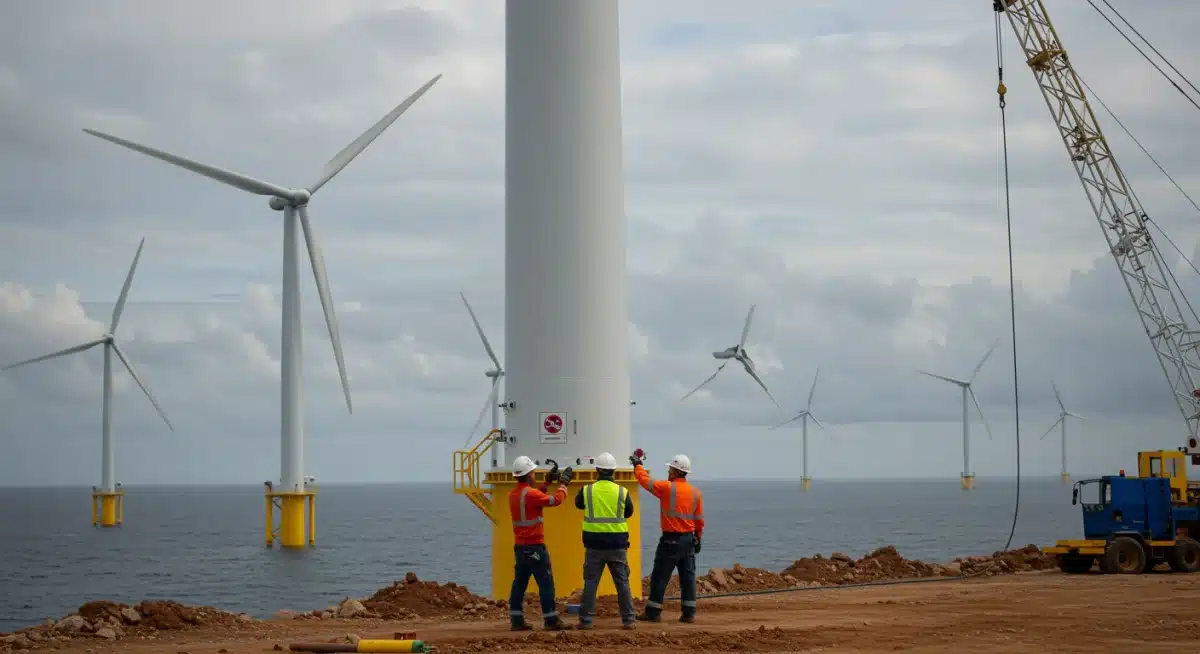
Offshore wind farms offer immense potential due to stronger, more consistent wind resources and the ability to deploy larger turbines. The U.S. and European markets are leading the charge in expanding this technology.
Technological advancements in turbine design, foundation structures, and installation techniques are making offshore wind projects more feasible and cost-effective. Supply chain development is also accelerating to meet escalating demand.
The sheer scale of projects and the long-term energy contracts associated with them make offshore wind a stable and high-growth area for Investment Opportunities in Clean Energy for 2026.
4. Carbon Capture, Utilization, and Storage (CCUS)
While primarily focused on emissions reduction from existing industrial processes, CCUS technologies are increasingly integrated into clean energy strategies, particularly for industries where electrification is challenging.
This makes it a vital component of a holistic approach.
Innovation in capture efficiency, transportation infrastructure, and utilization pathways (e.g., converting CO2 into valuable products) is accelerating. Government incentives are also catalyzing investment in this sector.
CCUS offers a critical bridge towards full decarbonization, providing a pathway for industries to meet climate targets while transitioning to fully renewable operations, creating significant Investment Opportunities in Clean Energy for 2026.
5. Smart Grid and Energy Management Systems
The increasing complexity of integrating diverse renewable energy sources into existing grids demands sophisticated smart grid technologies and advanced energy management systems. These systems optimize energy flow and enhance reliability.
Investments in digitalization, AI-driven predictive analytics, and cybersecurity for energy infrastructure are essential for a resilient and efficient clean energy network. This foundational technology underpins the entire transition.
Companies developing software and hardware for grid modernization, demand-side management, and energy trading platforms are well-positioned for substantial growth, securing their place among prime Investment Opportunities in Clean Energy for 2026.
Navigating the Investment Landscape for 2026
Investing in clean energy requires a clear understanding of market dynamics, risk factors, and long-term trends. While the growth potential is significant, due diligence remains paramount for any investor.
Diversification across different clean energy sectors can mitigate risks and capture a broader spectrum of growth opportunities. Staying informed about policy changes and technological breakthroughs is also crucial.
Engaging with reputable financial advisors specializing in sustainable investments can provide tailored guidance.
These professionals can help investors identify the most suitable Investment Opportunities in Clean Energy for 2026 based on individual risk tolerance and financial goals.
Assessing Market Risks and Opportunities
Like any investment, clean energy carries inherent risks, including regulatory uncertainties, supply chain disruptions, and technological obsolescence. However, the overarching trend towards decarbonization provides a strong long-term tailwind.
Opportunities often arise from early adoption of emerging technologies and strategic partnerships that leverage complementary expertise. Identifying these early-stage innovations can lead to disproportionate returns.
A balanced approach that considers both established clean energy giants and innovative startups can yield a diversified portfolio, capable of weathering market fluctuations and maximizing returns from Investment Opportunities in Clean Energy for 2026.
Long-Term Outlook and Sustainability
The shift to clean energy is not a fleeting trend but a fundamental transformation of the global economy. Long-term projections indicate sustained growth across most clean energy segments for decades to come.
Investing in clean energy aligns with environmental, social, and governance (ESG) principles, offering both financial returns and positive societal impact. This dual benefit appeals to a growing segment of investors.
The sustainability of these investments extends beyond environmental benefits, encompassing economic resilience and job creation, making them attractive for those seeking enduring Investment Opportunities in Clean Energy for 2026.
Global Impact and Collaborative Initiatives

The growth in clean energy is a global phenomenon, with international collaborations playing a vital role in accelerating deployment and innovation.
Partnerships between nations, corporations, and research institutions are fostering a collective push towards a sustainable future.
Initiatives such as the International Renewable Energy Agency (IRENA) and the Glasgow Financial Alliance for Net Zero (GFANZ) are mobilizing significant capital and expertise.
These collaborations facilitate knowledge sharing and project financing on an unprecedented scale.
The interconnectedness of the global clean energy market means that advancements in one region often benefit others, creating a virtuous cycle of innovation and adoption.
This global perspective is key to understanding the full scope of Investment Opportunities in Clean Energy for 2026.
International Policy Alignment and Investment
Harmonization of climate policies across major economies reduces trade barriers and streamlines investment processes for clean energy projects. This global alignment creates a more predictable and attractive environment for cross-border capital flows.
Multilateral development banks and sovereign wealth funds are increasingly prioritizing clean energy investments, providing crucial seed funding and de-risking projects in developing nations. This global capital deployment is critical for widespread adoption.
The alignment of international policy and investment strategies creates a powerful synergy, driving down costs and accelerating the transition, thereby expanding the array of Investment Opportunities in Clean Energy for 2026.
The Role of Corporate Sustainability
Major corporations are increasingly setting ambitious net-zero targets, driving significant internal and external investment into clean energy solutions. This corporate commitment creates a stable demand for renewable power and related technologies.
Companies are not only purchasing clean energy but also investing directly in renewable energy projects and developing their own sustainable supply chains. This integrates clean energy into core business strategies.
The corporate push for sustainability acts as a powerful market signal, indicating a long-term commitment to clean energy and further enhancing the reliability and attractiveness of Investment Opportunities in Clean Energy for 2026.
| Key Sector | Growth Driver |
|---|---|
| Battery Storage | Demand for grid stability, EV integration |
| Green Hydrogen | Decarbonizing heavy industries, policy support |
| Offshore Wind | Stronger resources, technological advancements |
| Smart Grid Systems | Integration of renewables, energy optimization |
Frequently Asked Questions About Clean Energy Investments
2026 is projected to be significant due to maturing technologies, supportive government policies like the IRA, and increasing global demand for sustainable solutions. These factors converge to create a strong growth environment, particularly for specific sectors identified as prime Investment Opportunities in Clean Energy for 2026.
The top sectors identified for substantial growth include advanced battery storage, green hydrogen production, offshore wind energy, carbon capture technologies, and smart grid systems. These areas are driven by innovation, critical infrastructure needs, and strong market demand, presenting robust Investment Opportunities in Clean Energy for 2026.
Growth is fueled by a combination of factors: favorable government policies and incentives, continuous technological advancements leading to cost reductions, and increasing corporate and consumer demand for sustainable solutions. These elements collectively enhance the viability and attractiveness of Investment Opportunities in Clean Energy for 2026.
Mitigating risks involves diversifying investments across various clean energy sectors, staying informed about policy changes and technological shifts, and consulting with financial advisors specializing in sustainable investing. Prudent due diligence is essential to navigate the evolving market and maximize returns from Investment Opportunities in Clean Energy for 2026.
The long-term outlook for clean energy investments remains exceptionally strong, driven by the irreversible global transition to a decarbonized economy. This fundamental shift ensures sustained growth, aligning with ESG principles and offering both financial returns and significant positive environmental impact, solidifying Investment Opportunities in Clean Energy for 2026 and beyond.
Looking Ahead: The Future of Clean Energy Investment
The analysis of Investment Opportunities in Clean Energy for 2026: Analyzing the Top 5 Sectors Poised for a 25% Growth Surge reveals a dynamic and expanding market.
In conclusion, the identified sectors are not merely speculative but are underpinned by concrete technological advancements, robust policy support, and undeniable market demand.
Investors should continue to monitor policy developments, particularly in key markets like the United States and Europe, as these will significantly influence the pace and direction of growth.
The interplay between innovation and regulation will define the next phase of the clean energy transition. The shift towards a sustainable global economy is irreversible, making clean energy an essential component of any forward-looking investment portfolio.
To see how these trends have evolved from the previous year’s momentum, you can review the US clean energy investments and Q3 analysis.
Understanding these trends now will position investors to capitalize on the profound changes ahead.