Consumer Protection Alert: New Federal Regulations Effective March 2026 – Safeguarding Your Rights in the Marketplace

Anúncios
A major Consumer Protection Alert regarding new federal regulations effective March 2026 is currently reshaping the U.S. marketplace.
These updates, confirmed by official sources, prioritize enhanced transparency and stronger safeguards for consumer rights across all digital and physical sectors.
Anúncios
Understanding these shifts is critical for navigating the modern economy, as they redefine how businesses handle data, pricing, and dispute resolutions.
This report breaks down the essential changes, explaining why they matter and providing a clear roadmap for what consumers and stakeholders should monitor next in this evolving regulatory environment.
Understanding the New Consumer Protection Regulations
Authorities have confirmed new timelines and outlined initial impacts across different sectors. Statements from regulatory bodies indicate a clear path for the implementation of these crucial consumer protection regulations.
Anúncios
These upcoming changes aim to bolster consumer confidence and ensure fairer practices within the marketplace. The focus is on creating a more transparent and accountable environment for all transactions.
The new framework addresses long-standing issues, providing consumers with enhanced tools and legal recourse. This proactive approach by federal agencies underscores a commitment to robust consumer protection.
Key Provisions of the March 2026 Regulations
The federal government has meticulously crafted these regulations to cover a broad spectrum of consumer interactions. From digital commerce to financial services, the reach of these new rules is extensive.
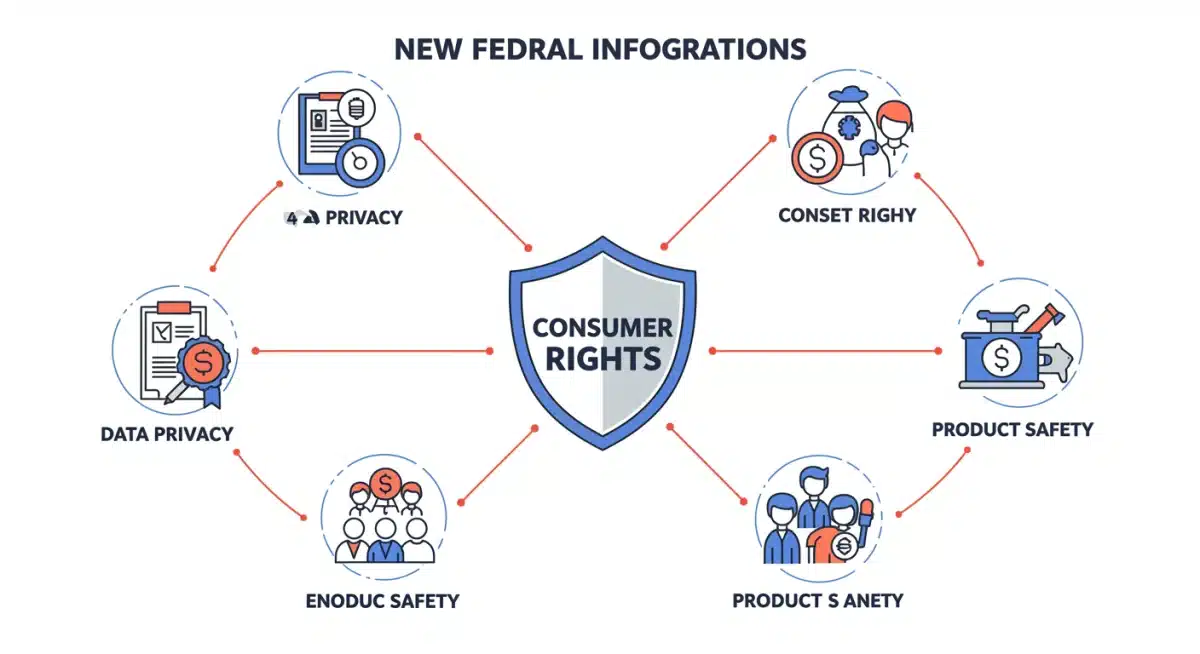
Early reports suggest a strong emphasis on data privacy and security, reflecting modern challenges. Consumers can anticipate clearer terms of service and more straightforward dispute resolution mechanisms.
The regulations also touch upon product safety standards and advertising integrity, ensuring that consumers receive accurate information. These measures are designed to preempt deceptive practices and foster trust.
Enhanced Data Privacy and Security Measures
- Stricter guidelines for how companies collect, use, and store personal consumer data.
- Mandatory data breach notifications and clearer consent requirements for data sharing.
- Increased penalties for non-compliance with data protection standards.
Financial Transparency and Disclosure
- Requirements for clearer disclosure of fees, interest rates, and loan terms in financial products.
- Provisions to prevent predatory lending practices and ensure fair credit reporting.
- Simplified language in financial contracts, making them more accessible to the average consumer.
Impact on Businesses and the Marketplace
Businesses operating in the United States will need to adapt their practices to comply with the new federal regulations. This will involve reviewing existing policies and implementing new compliance protocols.
While compliance may require initial investment, it is expected to foster a more level playing field and enhance consumer trust. Companies that proactively embrace these changes may gain a competitive advantage.
Industry associations are already providing guidance and resources to help businesses navigate this transition. The goal is a smooth implementation that benefits both consumers and responsible enterprises.
What Consumers Need to Know Now
Consumers should familiarize themselves with their updated rights and the new protections afforded by these regulations. Knowledge is power, especially when navigating complex marketplace interactions.
Official consumer protection websites and advocacy groups will be key resources for information. Staying informed will empower individuals to make better decisions and assert their rights effectively.
Understanding the mechanisms for filing complaints and seeking redress will be crucial. These new federal regulations are designed to provide stronger avenues for consumers to resolve issues.
Your Rights Under the New Framework
The new regulations significantly expand consumers’ rights, particularly concerning digital transactions and personal information. You will have more control over your data and greater transparency regarding product and service offerings.
Expect clearer, more concise terms and conditions, making it easier to understand what you are agreeing to. This enhanced clarity aims to prevent misunderstandings and disputes before they arise.
The ability to easily access and correct personal financial information will also be strengthened. These provisions ensure that consumers are not disadvantaged by inaccurate or outdated records.
Enforcement and Oversight of New Regulations
Federal agencies, including the Federal Trade Commission (FTC) and the Consumer Financial Protection Bureau (CFPB), will be responsible for enforcing the new consumer protection regulations. These bodies are preparing for the March 2026 rollout.
Increased investigative powers and stricter penalties for violations are anticipated under the new framework. This aims to deter non-compliant behavior and ensure widespread adherence to the new standards.
Collaboration between federal and state authorities will be key to effective enforcement. This coordinated effort will ensure comprehensive coverage and consistent application of the consumer protection regulations across different jurisdictions.
Preparing for March 2026: A Timeline
The period leading up to March 2026 is critical for both consumers and businesses to prepare. Regulatory bodies are expected to release detailed guidelines and educational materials in the coming months.
Businesses should begin auditing their current practices against the anticipated requirements of the consumer protection regulations. Early preparation can mitigate potential disruptions and ensure a smooth transition.
Consumers can start by reviewing their current financial agreements and digital privacy settings. Proactive engagement with these issues will put individuals in a stronger position when the new rules take effect.

Anticipated Benefits for Consumers
The implementation of these new federal regulations is expected to bring substantial benefits to consumers. A more secure and transparent marketplace will foster greater trust and encourage economic activity.
Reduced instances of fraud and deceptive advertising are a primary goal, leading to a safer shopping experience. Consumers will feel more confident in their purchasing decisions, knowing they are better protected.
Ultimately, these consumer protection regulations aim to empower individuals with more information and stronger protections. This shift will ensure that consumer rights are at the forefront of marketplace operations.
Addressing Potential Challenges and Criticisms
While the new consumer protection regulations are largely welcomed, some businesses have voiced concerns about compliance costs. Regulatory agencies are working to provide clarity and support during this transition.
Critics also point to the potential for stifling innovation if regulations are too prescriptive. However, proponents argue that a strong regulatory framework ultimately benefits all by creating a stable and trusted environment.
Ongoing dialogue between policymakers, industry, and consumer advocacy groups is crucial. This collaborative approach will help address any unforeseen challenges and ensure the effectiveness of the consumer protection regulations.
| Key Point | Brief Description |
|---|---|
| Effective Date | New federal regulations become effective March 2026. |
| Core Focus | Enhanced consumer data privacy, financial transparency, and product safety. |
| Impact on Consumers | Stronger rights, clearer terms, and improved dispute resolution. |
| Business Adaptation | Requires review of policies and implementation of new compliance protocols. |
Frequently Asked Questions About New Consumer Protection Regulations
These are a comprehensive set of new rules enacted by the federal government to enhance consumer rights and safeguard individuals in the marketplace. They cover areas like data privacy, financial product transparency, and product safety, aiming to prevent deceptive practices and foster trust.
The new federal regulations are scheduled to become effective in March 2026. This timeline provides businesses with a period to adjust their operations and for consumers to familiarize themselves with the enhanced protections they will receive under the new framework.
You can expect greater transparency regarding how your personal data is handled and used by online retailers. There will also be stricter rules on product descriptions and advertising claims, ensuring you receive accurate information before making a purchase, enhancing overall consumer protection.
It’s advisable to stay informed by regularly checking official government consumer protection websites for updates and guidance. Review your current service agreements and privacy policies with companies you interact with, and understand your new rights concerning data and transactions.
Federal agencies like the FTC and CFPB will release detailed compliance guides. Industry associations often provide workshops and materials tailored to specific sectors. Consulting legal counsel specializing in consumer law is also a recommended step for comprehensive compliance with these consumer protection regulations.
What Happens Now
The impending Consumer Protection Alert: New Federal Regulations Effective March 2026 – Safeguarding Your Rights in the Marketplace signifies a pivotal moment for consumer advocacy and market integrity.
It’s imperative for all stakeholders to monitor the forthcoming detailed guidelines and educational campaigns from federal agencies.
These regulations are set to reshape how businesses operate and how consumers interact with the marketplace, promising a future of enhanced transparency and accountability.
Staying engaged with these developments ensures readiness for the transformative changes ahead.
To stay informed about specific scams or local enforcement actions resulting from these federal shifts, you can regularly check the official Consumer Alerts from the Office of the Attorney General.