FDA Food Labeling Overhaul 2026: Warning Labels Impact
Anúncios
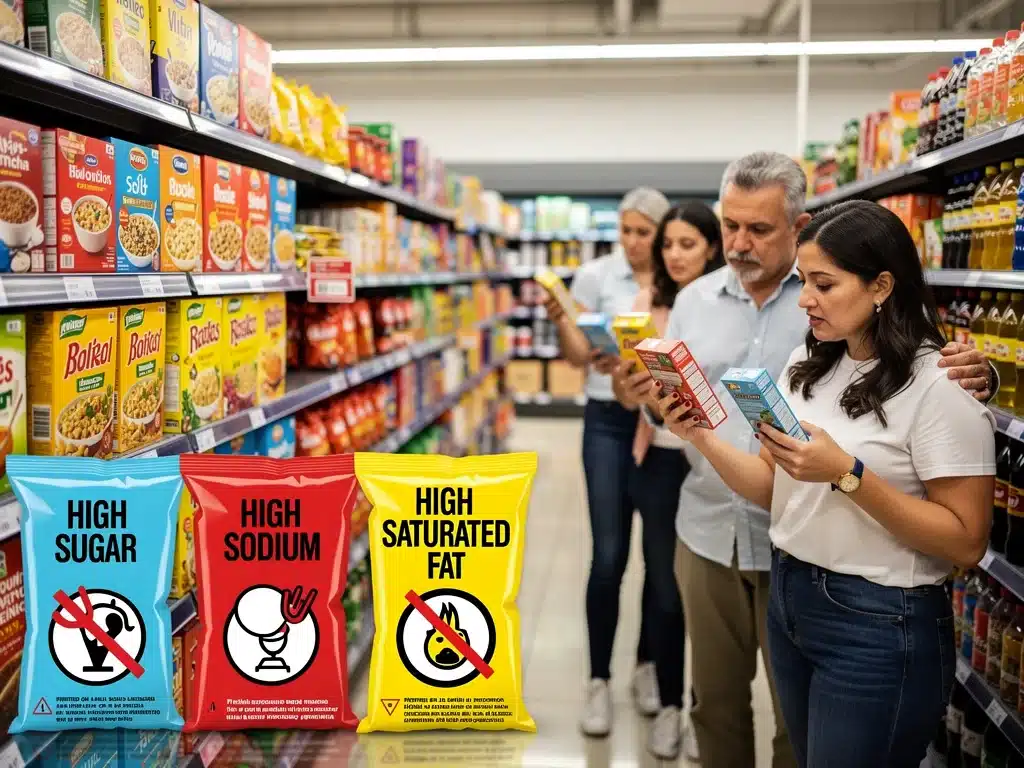
The FDA has finalized sweeping updates to food labeling regulations taking full effect in 2026, mandating front-of-package (FOP) warning labels on over 30,000 grocery items.
Designed to highlight high levels of sodium, saturated fat, and added sugars at a glance, this regulatory overhaul forces food manufacturers across the U.S. to rapidly redesign packaging and reformulate products to meet the new public health transparency standards.
Anúncios
Understanding the 2026 FDA Food Labeling Overhaul
The 2026 FDA Food Labeling Overhaul marks a pivotal moment in food transparency and consumer health. The core of this initiative involves the introduction of standardized, easy-to-understand front-of-package warning labels.
These labels will serve as quick visual cues for consumers, indicating if a product exceeds specific thresholds for nutrients deemed detrimental to health when consumed in excess.
The FDA’s decision follows extensive research and public commentary, aiming for maximum impact on purchasing decisions.
The regulatory framework is designed to be comprehensive, ensuring that a wide array of processed and packaged foods falls under the new guidelines.
Anúncios
This will provide a consistent message across various product categories, from snacks to prepared meals.
Key Nutrients Targeted by New Labels
The primary nutrients that will trigger a front-of-package warning label include high levels of saturated fat, sodium, and added sugars.
These components are frequently overconsumed by the American public, contributing to chronic health conditions.
Thresholds for these nutrients have been carefully established by the FDA, based on scientific evidence and dietary guidelines.
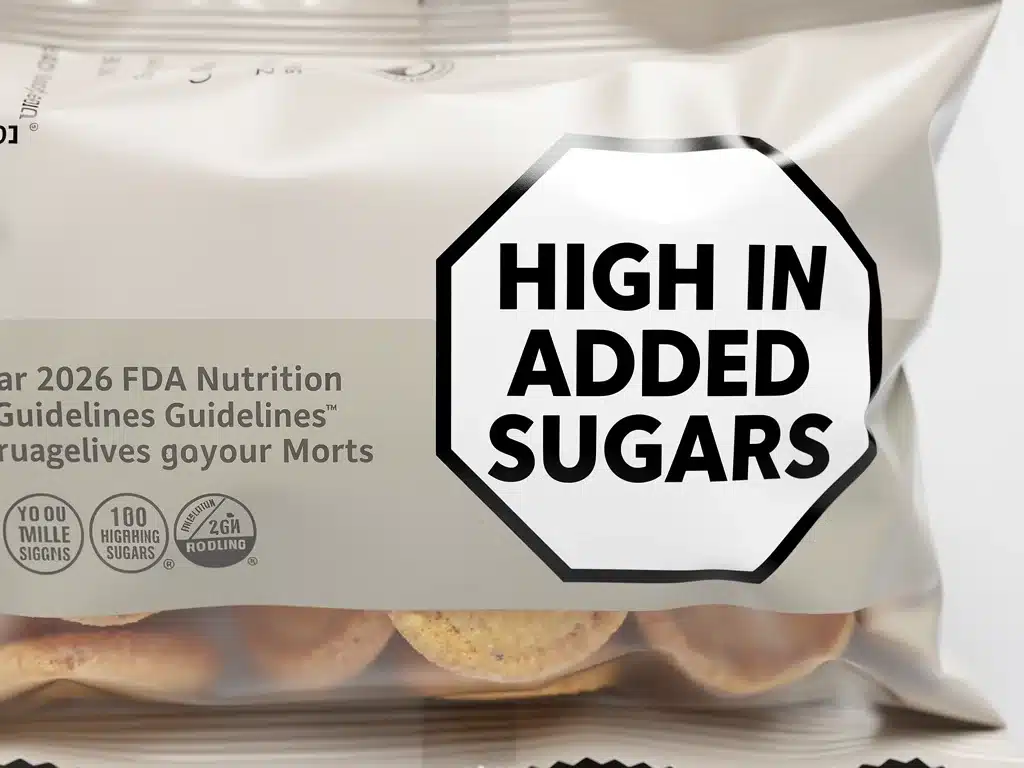
Products exceeding these limits will be required to display a clear, standardized warning symbol on their principal display panel.
The selection of these specific nutrients reflects a public health priority to address prevalent dietary issues.
This targeted approach seeks to guide consumers towards more balanced nutritional choices and encourage product reformulation.
- Added Sugars: To combat excessive sugar intake, a major contributor to obesity and type 2 diabetes.
- Sodium: To address high blood pressure and cardiovascular disease risks associated with high sodium consumption.
- Saturated Fat: To reduce the intake of fats linked to elevated cholesterol levels and heart disease.
Impact on the Grocery Landscape: 30,000 Items Affected
The sheer scale of the 2026 FDA Food Labeling Overhaul is significant, with projections indicating approximately 30,000 grocery items will require new front-of-package warning labels.
This figure encompasses a vast range of products, from breakfast cereals to frozen dinners.
Food manufacturers are now facing the complex task of assessing their entire product portfolios against the new FDA criteria.
This will involve detailed nutritional analysis, potential reformulation efforts, and substantial redesigns of packaging artwork and printing processes.
The widespread impact means that consumers will encounter these new labels almost universally across supermarket aisles, fundamentally changing how they navigate their shopping experience.
This shift is expected to influence purchasing habits and drive demand for healthier alternatives.
Industry Challenges and Adaptations
Food manufacturers are confronting numerous challenges in adapting to the 2026 FDA Food Labeling Overhaul.
The timeline, while seemingly distant, requires immediate action for product evaluation, reformulation, and packaging redesign.
Many companies are investing heavily in research and development to reformulate products, aiming to reduce levels of targeted nutrients and avoid the prominent warning labels.
This could lead to a wave of healthier product innovations hitting the market.
Beyond reformulation, there are significant logistical hurdles related to inventory management and supply chain adjustments for packaging materials.
Companies must ensure compliance across all affected products to avoid penalties and maintain consumer trust.
- Product Reformulation: Adjusting recipes to lower sugar, sodium, and saturated fat content.
- Packaging Redesign: Integrating new warning labels seamlessly and effectively on existing packaging.
- Supply Chain Management: Coordinating with suppliers for new packaging materials and printing schedules.
Consumer Empowerment and Health Outcomes
The central aim of the 2026 FDA Food Labeling Overhaul is to empower consumers with clear, actionable information at the point of purchase.
By simplifying complex nutritional data into easily digestible warning labels, the FDA hopes to foster more informed and healthier food choices.
Studies from countries with similar FOP labeling systems suggest a positive correlation between warning labels and a reduction in the consumption of unhealthy foods.
Consumers tend to gravitate towards products without such labels, signaling a shift in purchasing patterns.
Ultimately, this initiative seeks to improve public health outcomes by reducing the prevalence of diet-related chronic diseases, such as obesity, heart disease, and diabetes.
The long-term success will be measured by changes in national health metrics and dietary habits.
How Labels Will Influence Purchasing Decisions
Front-of-package warning labels are designed to be highly salient and easily understood, even by consumers with limited nutritional literacy.
Their prominent placement ensures they are difficult to miss, directly influencing immediate purchasing decisions.
Research indicates that consumers are more likely to avoid products carrying warning labels, especially when healthier alternatives are readily available.
This behavioral shift can drive demand for products that meet the FDA’s new nutritional standards.
The labels provide a quick heuristic, allowing shoppers to make rapid assessments without extensive label reading.
This efficiency in decision-making is expected to be a powerful driver for healthier shopping baskets across the nation.
Anticipated Challenges and Public Perception
Despite the clear public health objectives, the 2026 FDA Food Labeling Overhaul is not without its anticipated challenges.
Industry pushback, consumer confusion, and the potential for unintended consequences are all factors being monitored.
Some food manufacturers have expressed concerns over the cost of compliance and the potential for negative consumer perception of their products.
There are also debates about the specific thresholds set by the FDA and their scientific basis.
Public perception will play a crucial role in the success of the new labeling system. Effective public education campaigns will be essential to ensure consumers understand the purpose and meaning of the warning labels, fostering trust and adoption.
Addressing Industry Concerns and Implementation Hurdles
The FDA is working to address industry concerns regarding the implementation of the 2026 FDA Food Labeling Overhaul.
This includes providing clear guidance, technical assistance, and potentially staggered implementation phases for certain product categories.
Small businesses and niche food producers may face particular challenges in adapting to the new regulations.
The FDA is considering measures to support these entities in achieving compliance without undue burden, such as extended timelines or simplified reporting.
Ongoing dialogue between the FDA, industry associations, and consumer advocacy groups is critical to navigate these hurdles effectively.
A collaborative approach is essential to ensure a smooth transition and widespread acceptance of the new labeling system.
Global Context and Precedents for Warning Labels
The 2026 FDA Food Labeling Overhaul is part of a growing global trend towards clearer nutritional labeling.
Several countries have already implemented similar front-of-package warning labels, offering valuable insights and precedents for the U.S. initiative.
Nations like Chile, Mexico, and Canada have adopted FOP labeling systems, often using black octagons or stop-sign symbols to denote high levels of sugar, sodium, or fat.
These systems have demonstrated varying degrees of success in influencing consumer behavior and product reformulation.
The FDA has studied these international examples, learning from their successes and challenges to design a system that is effective and appropriate for the U.S. market.
This global perspective helps inform best practices and anticipate potential outcomes.
Lessons from International FOP Labeling Systems
International experiences with front-of-package labeling highlight several key lessons for the 2026 FDA Food Labeling Overhaul.
One crucial aspect is the importance of a simple, unambiguous design that resonates with consumers across diverse demographics.
Another lesson is the need for consistent enforcement and clear communication to prevent consumer confusion and ensure industry compliance.
Countries that have seen the most success often couple labeling with public health campaigns.
The impact on product reformulation has also been observed globally, with many manufacturers choosing to alter recipes to avoid warning labels.
This provides a strong incentive for the food industry to produce healthier options, a goal the FDA shares.
- Simplicity in Design: Clear, easily recognizable symbols are most effective.
- Public Education: Campaigns are vital for consumer understanding and acceptance.
- Industry Response: FOP labels often drive product reformulation towards healthier profiles.
The Road Ahead: Implementation Timeline and Milestones
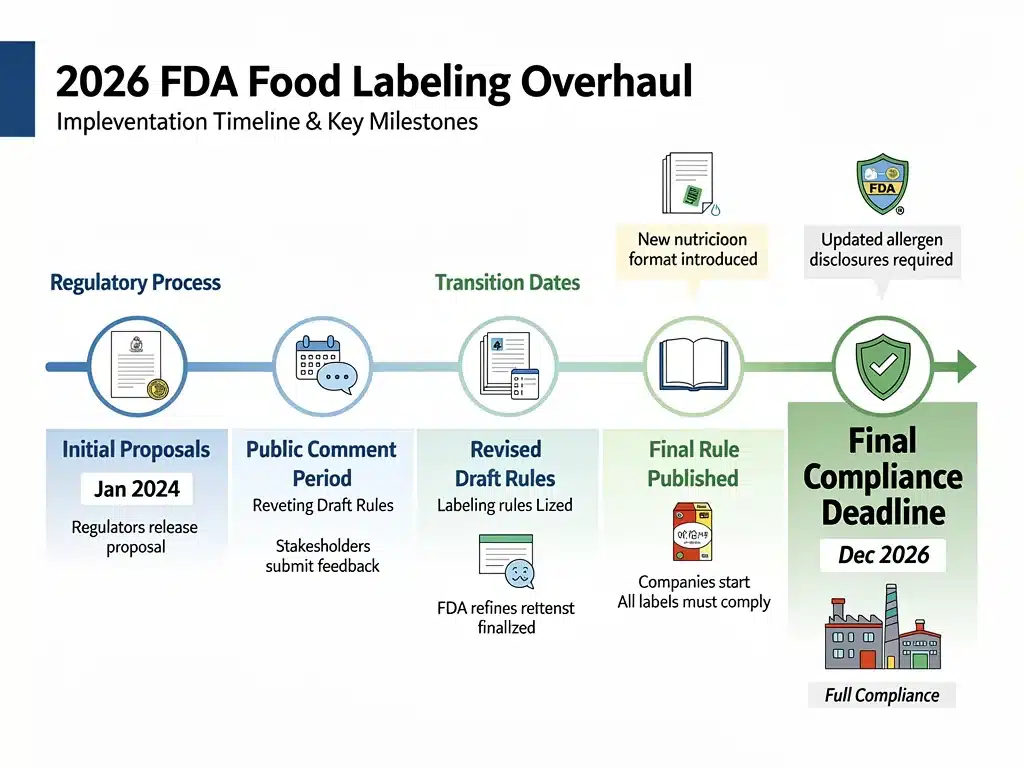
The implementation of the 2026 FDA Food Labeling Overhaul will unfold over the coming months and years, with several key milestones for both the industry and consumers to monitor.
The FDA has outlined a phased approach to ensure a smooth transition.
While the full compliance deadline is set for 2026, preparatory work for manufacturers is already underway, including product assessments and initial design changes.
The FDA will likely release further detailed guidance documents to assist with compliance.
Consumers can expect to see an increasing number of products featuring the new warning labels as manufacturers update their packaging.
This gradual rollout will allow for adaptation and feedback, informing any necessary refinements to the system.
What Consumers Should Expect by 2026
By 2026, consumers across the United States can expect a dramatically different grocery shopping experience.
The new front-of-package warning labels will be a common sight on many packaged foods, providing instant insights into their nutritional content.
This means easier identification of products high in added sugars, sodium, or saturated fat, enabling quicker and more informed decisions at the supermarket.
The 2026 FDA Food Labeling Overhaul is designed to make healthy eating more accessible.
Consumers should also anticipate a potential increase in the availability of reformulated products as manufacturers strive to avoid warning labels.
This could lead to a broader selection of healthier options on store shelves, benefiting overall public health.
| Key Point | Brief Description |
|---|---|
| New Warning Labels | Mandatory front-of-package labels for high sugar, sodium, saturated fat. |
| Impact on Products | Affects ~30,000 grocery items, requiring packaging redesigns. |
| Consumer Benefits | Empowers healthier choices through clear, immediate nutritional info. |
| Industry Adaptation | Manufacturers reformulating products and redesigning packaging. |
Frequently Asked Questions About the 2026 FDA Food Labeling Overhaul
The primary purpose is to simplify nutritional information for consumers, making it easier to identify unhealthy food options at a glance. By prominently displaying warning labels for high levels of added sugars, sodium, and saturated fat, the FDA aims to encourage healthier dietary choices and combat diet-related diseases effectively.
The new front-of-package warning labels will be triggered by products exceeding specific thresholds for added sugars, sodium, and saturated fat. These nutrients were chosen due to their significant impact on public health when consumed in excess, contributing to chronic conditions like heart disease and diabetes.
It is estimated that approximately 30,000 grocery items will be impacted by the 2026 FDA Food Labeling Overhaul. This vast number includes a wide range of packaged foods, necessitating significant changes in labeling and potentially product formulation across the food industry to ensure compliance.
While the exact phased implementation details are still being finalized, the full compliance deadline for the new FDA food labeling requirements is set for 2026. This timeline allows manufacturers sufficient time to reformulate products, redesign packaging, and integrate the new front-of-package warning labels.
The new labels will provide clear, concise nutritional warnings directly on the front of food packages, allowing consumers to make faster and more informed purchasing decisions. This transparency aims to reduce the time spent deciphering complex nutrition facts, promoting a healthier and more efficient grocery shopping experience for everyone.
Looking Ahead: The Future of Food Information
The 2026 FDA Food Labeling Overhaul represents more than just new labels; it signifies a fundamental shift in how food information is presented and consumed.
The initiative underscores a growing commitment to public health through enhanced transparency and consumer education.
As the implementation date approaches, all eyes will be on how effectively the food industry adapts and how consumers respond to these prominent new warnings.
The success of this overhaul could pave the way for further advancements in food labeling and public health interventions.
Monitoring the long-term impact on purchasing habits, product innovation, and national health statistics will be crucial.
The 2026 FDA Food Labeling Overhaul is a critical step towards a more informed and health-conscious society, setting a new standard for food transparency.
For regulatory guidelines and official agency resources on these updated standards, review the FDA general food labeling requirements compliance program.