FTC Unveils Stricter Online Subscription Cancellation Rules
Anúncios
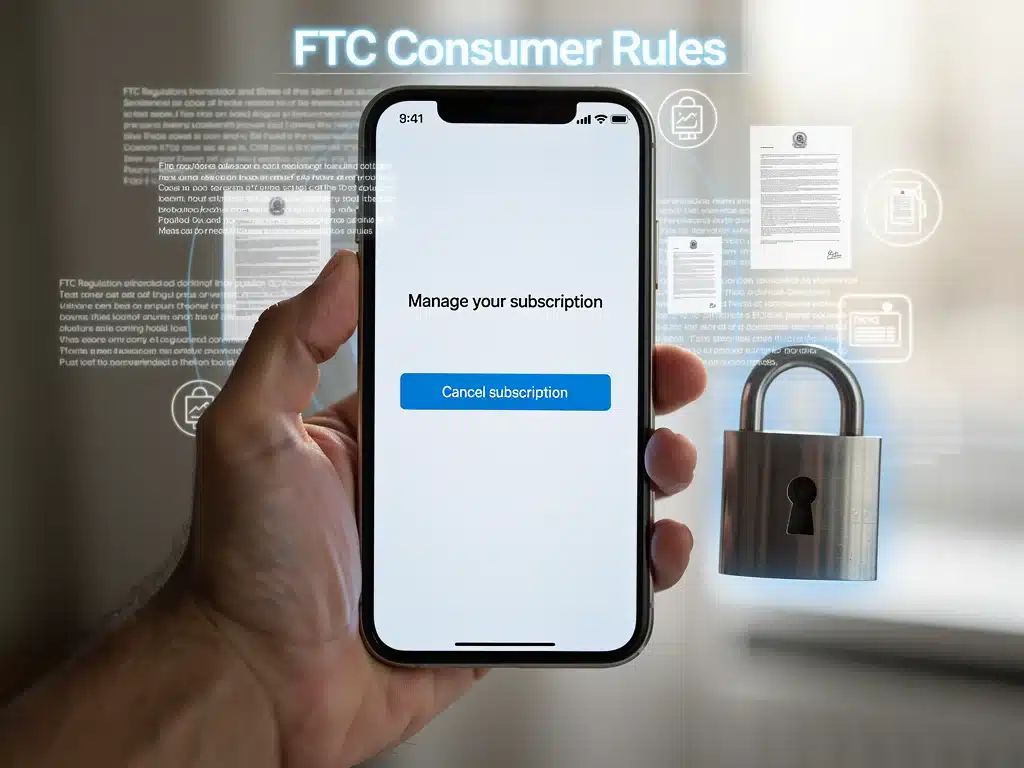
The Federal Trade Commission has officially enacted its Click-to-Cancel rule, mandating a one-click process for consumers to terminate subscriptions nationwide.
Designed to eliminate dark patterns and complex cancellation procedures in digital commerce, the regulation requires businesses to make canceling recurring charges as simple as signing up.
Anúncios
FTC Mandates Streamlined Subscription Cancellations
The Federal Trade Commission has officially enacted its Click-to-Cancel rule, a directive that will fundamentally alter how businesses handle subscription cancellations.
This regulation requires companies to provide a cancellation method that is as straightforward as the initial signup process, ideally with a single click or a similarly simple step.
This move comes after years of complaints from consumers who found themselves trapped in subscriptions due to intentionally complex or hidden cancellation procedures.
The FTC’s action is a direct response to these ‘dark patterns’ designed to retain customers against their will, aiming to restore balance and transparency to the subscription economy.
Anúncios
The rule is designed to protect consumers from frustrating and time-consuming efforts to end recurring charges, ensuring that the process of opting out is no more difficult than opting in.
This marks a significant shift in consumer protection standards for digital services and beyond.
Understanding the New Click-to-Cancel Rule
The core of the FTC’s new mandate is simplicity: if a consumer can sign up for a subscription online with a single click or a few easy steps, they must also be able to cancel it with similar ease.
This means no more lengthy phone calls, multiple navigation pages, or forced conversations with retention specialists.
The Federal Trade Commission Enacts Click-to-Cancel Rule Mandating 1-Click Subscription Terminations Nationwide to combat manipulative tactics.
Businesses will now need to review their cancellation flows to ensure compliance, potentially redesigning entire sections of their websites or apps to meet the new standards.
This rule applies broadly across industries that offer recurring subscriptions, from streaming services and software to gym memberships and online publications. Its reach is extensive, impacting virtually any business that bills customers on a recurring basis.
Key Provisions of the FTC Rule
- One-Click Cancellation: Businesses must offer a cancellation method that is as simple as the enrollment process, often implying a single click for online subscriptions.
- No Unnecessary Obstacles: Companies cannot require consumers to call or speak to a representative if they signed up online, nor can they impose other undue burdens.
- Clear Disclosure: Businesses must clearly disclose all terms of a subscription before a consumer commits, including pricing, renewal dates, and cancellation policies.
The FTC emphasizes that the goal is to eliminate friction points that discourage or prevent consumers from canceling unwanted subscriptions. This includes practices like requiring users to navigate through multiple irrelevant pages or offering only phone-based cancellation for online sign-ups.
Impact on Businesses: Compliance and Challenges
For businesses, the Federal Trade Commission Enacts Click-to-Cancel Rule Mandating 1-Click Subscription Terminations Nationwide presents both a compliance challenge and an opportunity to build greater customer trust.
Companies will need to audit their existing subscription management systems and make necessary adjustments to adhere to the new requirements.
This could involve significant backend development, user interface redesigns, and retraining customer service teams. The cost of non-compliance could be substantial, with the FTC empowered to levy hefty fines for violations.
While some businesses might view this as an imposition, others see it as a chance to improve customer experience and reduce churn caused by frustration.
Transparent and easy cancellation processes can actually foster loyalty, as consumers feel more in control and less trapped.
Adapting to the New Regulatory Landscape
- System Audits: Businesses must thoroughly review their current subscription signup and cancellation flows to identify non-compliant elements.
- Technological Adjustments: This may require significant investment in IT infrastructure to implement one-click cancellation features across platforms.
- Policy Revisions: Internal policies and customer service scripts related to cancellations will need to be updated to reflect the new rule’s spirit and letter.
Companies that proactively embrace these changes may find themselves in a stronger competitive position, appealing to consumers who value transparency and ease of use.
The FTC’s rule essentially levels the playing field, pushing all businesses towards more ethical subscription practices.
Benefits for Consumers: Empowerment and Control
For consumers, the Federal Trade Commission Enacts Click-to-Cancel Rule Mandating 1-Click Subscription Terminations Nationwide is a significant win, offering unprecedented control over their recurring expenses.
This rule empowers individuals to easily manage their subscriptions, preventing unwanted charges and reducing financial stress.
No longer will consumers have to dedicate significant time and effort to navigate intentionally difficult cancellation pathways.
The ability to end a subscription with a simple click restores agency and transparency to the consumer-business relationship, fostering a healthier digital marketplace.
This increased control can lead to better financial management, as consumers can more readily discontinue services they no longer use or need.
It also encourages businesses to offer genuinely valuable services, as retention will increasingly depend on satisfaction rather than procedural hurdles.
Historical Context: Why the FTC Acted Now

The FTC’s decision to enact the Click-to-Cancel rule is not sudden but rather the culmination of years of consumer complaints and regulatory scrutiny.
For over a decade, consumer protection agencies have received numerous reports about “dark patterns” – design choices that trick users into doing things they might not otherwise do, such as signing up for subscriptions or making it nearly impossible to cancel.
The proliferation of subscription-based services across nearly every sector of the economy amplified these issues, making it a priority for the FTC.
The commission has long signaled its intent to tackle deceptive practices, and this rule is a direct response to widespread industry behavior that exploited consumer inertia and frustration.
Previous enforcement actions against individual companies for deceptive subscription practices laid the groundwork for this broader, industry-wide regulation.
The Federal Trade Commission Enacts Click-to-Cancel Rule Mandating 1-Click Subscription Terminations Nationwide as a definitive step to create a universal standard.
Enforcement and Penalties for Non-Compliance
The Federal Trade Commission is not shy about enforcing its regulations, and the Click-to-Cancel rule will be no exception.
Companies found to be in violation of the new mandate could face substantial civil penalties, injunctions, and orders requiring them to provide refunds to consumers.
The FTC has a strong track record of pursuing companies that engage in deceptive or unfair practices, and the penalties can be severe enough to significantly impact a company’s bottom line and reputation.
This serves as a powerful incentive for businesses to prioritize compliance.
Consumers are encouraged to report businesses that fail to comply with the new rule, providing the FTC with the necessary information to initiate investigations and take enforcement action.
This collaborative approach between regulators and the public is crucial for ensuring the rule’s effectiveness.
The Future of Subscription Services Post-FTC Rule
The enactment of the FTC’s Click-to-Cancel rule is likely to usher in a new era for subscription services.
Businesses will need to shift their focus from retention through friction to retention through value, innovation, and customer satisfaction.
This could lead to more competitive offerings, better customer service, and a greater emphasis on delivering a superior user experience.
Companies that genuinely value their customers will likely thrive, while those that relied on deceptive practices may struggle to adapt.
The Federal Trade Commission Enacts Click-to-Cancel Rule Mandating 1-Click Subscription Terminations Nationwide to foster a more transparent and consumer-friendly digital economy.
This rule may also inspire similar regulations in other countries, setting a global precedent for subscription management.
Navigating the Transition: Advice for Consumers and Businesses
As the Click-to-Cancel rule takes effect, both consumers and businesses have roles to play in ensuring a smooth transition.
Consumers should familiarize themselves with their rights under the new rule and report any violations to the FTC, actively exercising their newfound control over subscriptions.
Businesses, on the other hand, must prioritize compliance by conducting thorough audits of their subscription processes and making necessary technological and policy adjustments.
Proactive engagement with the rule will minimize legal risks and enhance customer loyalty.
Open communication and transparency from businesses about their updated cancellation procedures will also be crucial in building trust during this period of change.
The Federal Trade Commission Enacts Click-to-Cancel Rule Mandating 1-Click Subscription Terminations Nationwide to benefit everyone in the long run.
| Key Point | Brief Description |
|---|---|
| Rule Enactment | FTC officially mandates 1-click subscription cancellations nationwide. |
| Consumer Impact | Consumers gain easier control over subscriptions, preventing unwanted charges. |
| Business Obligations | Companies must simplify cancellation processes to match signup ease. |
| Enforcement | FTC will levy significant penalties for non-compliance with the new rule. |
Frequently Asked Questions About the FTC Click-to-Cancel Rule
The FTC Click-to-Cancel Rule is a new regulation by the Federal Trade Commission requiring businesses to provide a simple, one-click or similarly easy method for consumers to cancel recurring subscriptions, especially if they signed up online. It aims to eliminate deceptive practices and ‘dark patterns’ that make cancellations difficult.
While the rule has been enacted, specific compliance deadlines for businesses are typically announced shortly after. Companies are expected to begin adjusting their systems promptly to meet the requirements. Consumers should watch for official FTC guidance on full implementation timelines.
The rule broadly covers most recurring subscription services, including streaming platforms, software subscriptions, online memberships, and physical product subscriptions. If a service bills automatically on a recurring basis, it is likely subject to the FTC Click-to-Cancel Rule, particularly if signup was online.
If a consumer finds that a business is not adhering to the FTC Click-to-Cancel Rule by making cancellation unduly difficult, they should file a complaint directly with the Federal Trade Commission. The FTC relies on consumer reports to identify and investigate non-compliant companies.
Businesses may face initial costs for system redesigns and compliance efforts. However, in the long term, transparent cancellation processes can reduce customer frustration, potentially leading to increased trust and improved customer loyalty, mitigating the impact of churn from forced retention tactics.
What Happens Now
The enactment of the FTC Click-to-Cancel Rule marks a definitive shift in consumer protection for subscription services. Businesses must now swiftly adapt their systems to ensure compliance, or face significant penalties from the Federal Trade Commission.
Consumers, empowered by this new mandate, can expect a more transparent and user-friendly experience when managing their subscriptions.
This rule is set to redefine the relationship between consumers and subscription providers, pushing towards a model built on value and trust rather than friction and frustration.
For official regulatory announcements, enforcement details, and full legal documentation, examine the FTC Press Release on the Final Click-to-Cancel Rule.